Monday, October 25, 2010

How to care for your baby's penis if you choose not to have him circumcised

Most of the time, unless diagnosed at birth, narrowing of the prepuce gets identified when the child strains to pass urine or when a urinary tract infection takes its toll.

Prepuce is the skin surrounding the edge of the penis. In normal circumstances the fore skin can be retracted and thereby exposes the external urethral meatus. In such situations the urine flow would not be hampered nor would it cause much difficulty for the baby.

The problem occurs when the retraction of the skin does not happen and most often the skin and the surface layers of the penis is attached tightly resisting against the retraction. The outcome of this would be a tight and relatively small meatus at the edge of the urethra.

The last line of treatment and the most effective of all would be to separate the two layers of skin and excise the excess skin thus allowing the urethral meatus to be full exposed as well as relieve the resistance towards skin retraction. Prior to arriving at a decision to do the circumcision as it is called, several methods will be used in order to relieve the narrowed prepuce. Some of them are,

Applying gentle pressure:
This should be done very carefully and can be done at times when the baby is given a bath. The technique is to gently retract the foreskin of the penis and expose the tight ring. Once the ring is exposed gradual, sustained though gentle pressure should be applied without causing any discomfort to the baby. Once or twice a day would help in slowly separating the layers and allow full retraction of the fore skin.
Steroid cream:
This will gradually make the adhesions between foreskin layers dissolve and gradually ease the retraction. The application can be done once or twice a day according to the advice given by a paediatrician and can continue to be applied for about 2 weeks before a result can be seen.

The downside of applying these kinds of creams would be its effect of making the skin thin at the site. This would in rare instances lead to ulceration of the site and much more distress to the baby than the narrowing of the prepuce.

Antibiotic ointments:
When narrowing of the prepuce is present there can be collections of dead cells, urine and other substances within the tight ring and the foreskin adhesions. This can give rise to perfect culture medium for the bacteria to grow. If this happens the baby will suffer recurrent urinary tract infections and even kidney damage. To prevent this from happening, the paediatrician, if indicated, will recommend to use a antibiotic ointment to be applied to the narrowed prepuce and the fore skin.

In any of the above instances, when the fore skin retraction is done always remember to pull the skin back to what it was earlier.

Keeping the area cleaned:
If narrowing of the prepuce is present, it is always best to give fullest attention to cleaning the area with soap and water when ever the child passes urine. This will prevent the organisms from getting collected as well as urine to remain at the site.

Although these methods can be tried, in some instances the outcome might not be that positive. It's always best to follow your paediatrician's advice and never try various methods of unproven benefit by yourself.

How to use emergency contraception

The term 'Emergency Contraception' (EC) is associated with adopting a contraceptive method following unprotected, failed or forced sexual intercourse in which the risk of pregnancy cannot be ruled out. Another term associated with the same is 'morning after pill' and provides an important aspect of its use, which is 'as soon as possible!'.

In preventing a possible pregnancy there are few methods that can be adopted.
1. Use of recommended higher doses of normal birth control pills:
2. Using specially prepared EC pills
3. Insertion of an Intra Uterine Device

The effectiveness of the EC pills and other methods of EC range from 75-95% and in order to obtain its effectiveness the administering should happen within 72 hours of having a sexual intercourse. There are two types of pills, the progestin only pill and the combined pill which contain both progestin and estrogen. It has been found that progestin only pills have less side effects than the combined pill. Thus, most of the brands currently available in the market contain only progestin.

Most of the preparations of EC pills are more than the usual doses of regular contraceptive pills. Therefore in most preparations there are two pills or more to be taken usually 12 hours apart. Following the package instructions would be vital in getting the right dose in. Usually one tablet of Levonorgestrel 1.5 mg should be taken for EC or 2 tablets of its 0.75mg counterpart, which directs you to take it 12 hours apart.

Apart from use of EC pills, another method available would be the use of a copper Intra Uterine Contraceptive device (IUCD) which is said to be 99% effective in preventing conception from occurring. These tiny devices are entered in to the uterus through the vagina and can be kept their for even 10 years. But, if the woman is susceptible for pelvic inflammatory disease and sexually transmitted disease, the pills would be a much advisable option as it can lead to reduce fertility through infection. The IUCD therefore is used only in health women who are not susceptible to such infections. The insertion of a IUCD should be done by a trained medical practitioner and preferably within 5 days of the said sexual intercourse.

All these EC methods have proved to be effective and safe. The World Health Organisation has recommended use of these methods in preventing unwanted pregnancies from happening. The use of such methods had prevented the mishaps from happening and had given a second chance to many women.

What is heart failure?

The human heart consists of four chambers. Two relatively smaller chambers on top and two relatively larger chambers below. The top chambers are known as the atria and the chambers in the bottom are called the ventricles.

Body circulation of blood is mainly controlled by the heart and its coordinated contractions. In brief, the well oxygenated blood returns to the heart through the left atrium and shunted through a valve to the left ventricle. Due to the coordinated contractile action of the heart musculature the blood in the left ventricle pumps through the aortic artery to the entire body. The oxygen depleted blood from the rest of the body arrives in the right atrium through the great vessels and passed on to the right ventricle where it forcefully shunted towards the lungs for oxygenation. The cycle is absolutely vital for the body to function and any disruption will result in catastrophe.

When the heart is unable to perform its function in pumping the blood according to the body requirements it is said to be in a state of 'failure'. Heart failure is classified more commonly as left heart failure and right heart failure and is a chronic progressive condition which can occur due to several reasons:

Coronary artery disease: Where the vessels supplying blood to the heart musculature is blocked and fails in performing its task

High blood pressure: Which increase the pressure against in which the heart should be pumped.

Diabetes: will lead to arterial disease as well as other complications in the musculature

The above list is never a complete one and would be a long one if all the causes are mentioned.

At the beginning the symptoms of heart failure will be masked and compensatory mechanisms will take over. They are:

Enlarging of the heart chambers: according to the body physics the enlarging of the heart chambers will allow them to pump more blood much more strongly.

Increase muscle mass: the heart muscle size and amount will increase to a restrictive type of stress towards the heart and will allow the heart to pump stronger than usual against this resistance.

Faster contractility: the idea is to pump more blood and mask the limitations occurring due to limited amount of blood entering the circulation. The blood vessels become narrower and would try to maintain pressure to compensate the heart function. The blood will be directed towards the more vital organs (e.g. brain, kidneys, etc) to maintain body function with the limited amount of effective blood.

Although at the beginning the compensatory mechanisms are successful in masking the disease process, gradually the reality takes its turn. These mechanisms will be exhausted and would no longer be able to compensate, thus gives rise to the heart failure symptoms and can be due to several reasons;
An increased amount of blood will be collected in the vessels in the lungs which gives rise to fluid leak in to the lung tissue. Thus the patient will experience difficulty in breathing and moreover orthopnoea as more fluid gets accumulated when the patient is lying down. The blood returning from the body will not be able to get into the right atrium due to the enormous pressure and thus gets collected in the dependent parts of the body, mainly, ankle, legs and back area if the patient is mostly bed-ridden. The swelling of these areas will be increasingly evident and is called oedema.

The patients are treated by correcting the underlying conditions and medications which supports the functioning of the heart. When all these treatment options fail, the only remaining option would be for a heart transplant.

Acute coronary syndrome: Symptoms and treatments

Acute Coronary Syndrome or ACS in short is a condition of the heart which occurs due to inadequate supply of oxygenated blood to the heart musculature. The cause for such an event would be a rupture of a cholesterol plaque and the exposed surface gives rise to platelet aggregation and formation of a thrombus or a blood clot. The event will take place suddenly, thus is named acute. The usual patients might be suffering already from angina and will feel a sudden worsening of the symptoms.

Accordingly there are three types of progression of ACS based on clinical and investigation findings. These are names Unstable Angina, ST elevation Myocardial Infarction and Non ST elevation Myocardial Infarction.

A patient with ACS will complain of following symptoms:

  • Angina pain: typically this will be a described as tightening, burning or pricking kind of pain and will last for several minutes. It even appears at rest and following exertion due to exercise, heavy meal or stress.
  • Referred pain: the pain will be noticed in the left shoulder or towards the left jaw and would be described as a shooting pain.
  • Shortness of breath
  • Nausea
  • Light-headedness
  • Associated sudden heavy sweating is also noticed
Following making a clinical diagnosis the treatment should follow quickly and this will have enormous contribution towards improving the mortality of such patients. There are several treatment options available, one such option is medical management.

Medicines:

Aspirin: Aspirin will act on the platelets and prevents the clots being formed and thus alleviating further complications through dislodging of such clots if allowed to form.
Thrombolytics: These drugs will help in the process of dissolving the platelet clots which are already formed and the earliest it is administered the better the outcome and chances of survival.
Nitroglycerines: These would act on the blood vessels by dilating the circumference and releasing any pressures from against which the heart has to pump. Therefore, it puts the heart at ease.
Beta blockers: It will relax the heart muscle, slow the heart rate and reduce the blood pressure. ACE inhibitors: These also will make the heart pump blood more easily.

Surgery: 

When medical treatment options are no longer doing the job or is not effective based on the level of narrowing of the blood vessels, a surgical option would be more suitable. At present two options are widely in use.

Dilatation and stenting: In this procedure a tiny wire will be inserted through an artery of the arm or the leg and guided towards the heart and reaches the blocked segment of the coronary artery. Upon arrival a balloon will be inflated and a supporting stent will be places in that position which will support the vessel walls and prevent narrowing again.

Bypass surgery: When this procedure is undertaken, a different route will be made through open surgery using a leg vein and thus bypassing the narrowed segment of the coronary artery.

Apart from the above mentioned acute management, the patient should have a healthy balanced diet which is low in fat. They also need to be engaged in healthy practices of living by avoiding smoking and other harmful habits. Regular exercises will also help in the long term care of these patients.

Mitral valve prolapse syndrome (MVPS): Symptoms & diagnosis

Mitral Valve Prolapse or MVP is a relatively common finding in the general population and most often goes unnoticed. The underlying problem in these patients would be the unusual functioning of the Mitral valve which is located between the top and the bottom chambers of the left heart.

Usually when the ventricle or the left bottom chamber contract, the blood is pumped through the aortic vessels to the body. This oxygenated blood arrives in the ventricle through the Mitral valve from the top chamber of the left heart which is the left atrium. Although the valves open up when the atrium contracts, it usually closes when the ventricle is contracting. In patients with MVP the valves tend to flop backwards towards the atrium due to myxomatous degeneration of its collagen structure and rarely some portion of the blood can flow back into the atrium.

MVP syndrome is thought to be having a link with the genes and is supported by strong family history. But, the exact cause of it is unknown. The patients with MVP syndrome are tall, thin with long arms and fingers as well as a straight back.

Even though most of the patients does not complain of any symptoms, following have been observed among the patient population.

Fatigue: seems to be the most common symptom among the MVP syndrome patients and is probably due to the imbalance between requirement and supply of oxygenated blood to the muscle tissues during exercise.

Palpitations: Fast contractions of the heart might be felt by the individual and it could occur in episodes. Although its usually harmless, it can some times associated with heart arrhythmia that can cause heart failure

Chest pain: the pain is characteristically not associated with or after exercise and can be prolonged while not responding to Nitroglycerines.

Anxiety: may also be due to the imbalance of functioning of the autonomic nervous system.

Migranous headache

Apart from the symptoms mentioned above, when a proper clinical examination is done, following will be identified.

1. Heart click: A noise heard at the apex of the heart and is due to the prolapsing nature of the mitral valve.
2. Murmur: The back flow that is occurring due to the improper closure of the mitral valve gives rise to a murmur that is audible through the stethoscope.
3. Echo findings: These are conclusive of the MVP and the cardiologist will be able to identify the myxomatous degeneration of the valves as well.
4. Holter monitoring: This test will reveal any rhythm abnormalities of the heart and makes the clinician aware about the need to intervene.

After a clinical and investigation based diagnosis with regard to the MVP syndrome doctors can proceed with the available treatment options which rarely need either medications or very rarely surgical intervention. The treatment is based on easing the heart function and maintaining balance between autonomic nervous system of the body. The avoidance of caffeine and sugars will improve the symptoms associated with the syndrome and avoiding dehydration will also support the cause.

Friday, October 22, 2010

What is jaundice?

In certain illnesses of the human body, the skin, the whites of the eye and mucous membranes appear increasingly yellow. This can occur acutely or could even be present from the early days of life. The condition is known as 'icterus' or in other words 'jaundice'.

A) What causes 'jaundice'?

The element in the blood that causes the yellowish discoloration is 'bilirubin'. Usually the amount of Bilirubin in the circulation should be elevated to three times its normal amount for it to precipitate as jaundice.

B) How does bilirubin gets metabolized?

Bilirubins are produced as a byproduct in the breakdown process of red blood cells which usually has a life span of 120 days. Following the breaking up of the cells in the spleen, it gives rise to bilirubin. Usually the bilirubins are shunted to the liver by binding on to albumins in the circulation and will be combined with glucuronide to form the conjugated form of the bilirubin in the liver. The conjugated bilirubin would then be able to pass through the liver channels and enter the gut through absorption by bile and excreted via faeces. Even though this is the usual mechanism in metabolism, sometimes the processes are disrupted.
The disruption of the conjugation process of bilirubin results in the accumulation of the un-conjugated portion in the circulation. The result will be its ability to concentrate in the extra cellular fluid and show up in the mucous membranes.

C) What are the different types of 'Jaundice'?

This could occur in 3 different places, thus named, pre-hepatic, hepatic and post-hepatic.

Pre-hepatic

Causes of increased red cell breakage will give rise to pre-hepatic causes of jaundice. Malaria, congenital spherocytosis and sickle cell disease are conditions giving rise to increased cell breakdown.
Hepatic

The scenario occurs when the liver is unable to do its job in binding the bilrubins adequately with the glucuronides. Any kind of liver cell damage can give rise to this kind of jaundice and alcoholic liver disease and hepatitis is probably the most common of the examples in the community. Hepatotoxicity due to various drugs or substances can give rise to hepatic jaundice.

Neonatal jaundice is also a form of hepatic jaundice where immature liver cells are unable to still function as normal and gives rise to harmless jaundice condition. This usually fades away after few days of birth and usually does not require treatment.

Post-hepatic

The scenario can occur when the hepatic outflow has been blocked and normal bilirubin drainage does not take place. This condition is sometimes called 'obstructive type of jaundice' and can be caused by Gall stones and even cancers. Out of which, cancers of the head of the pancreas, ductal carcinomas and pancreatic psudocysts can also give rise to this condition.

D) What are the investigations available in cases of 'Jaundice'?

Once identified, the clinicians will probe the patients from their history, examination findings and investigations to assess the cause, unless it is obvious, the extent of the damage and available options to further manage the patient. Liver enzyme levels, serum bilirubin levels, serum amylase levels, clotting profile, full blood count would be useful investigations. Apart from these, ultra sound examination of the abdomen, CT and MRI will also be useful.

E) What are the treatment options available for 'jaundice'?

Treatment will be based on its patho-physiology and extent of liver damage, if any. In jaundice appearing in the neonates adequate feeding with close monitoring of the blood bilirubin levels would be sufficient. The danger in neonates is the potential for the bilirubin to cross the barriers to the brain and damage the brain cells, in a condition called 'Kernicterus'. The damage would be irreversible and lifelong. Sometimes the high bilirubin levels in neonates would require a procedure called 'exchange transfusion' where baby's blood is replaced by mother's blood.

In adults, the treatment would be aimed at relieving the underlying problem. The jaundice itself would not be causing any problems for the patient.

What is enuresis?

Enuresis or simply termed 'bed wetting' is defined as voluntary or involuntary release of urine into bedding, clothing or other inappropriate places. The condition is mainly focused on children although the condition prevails with the adults as well. But in adults, it is more commonly explained as 'incontinence' than Enuresis.
In children the condition is not taken as a problem until the child develops full bladder control by the age of 5 years or even up to 7 years. If the condition persists thereafter, specialist advice needs to be obtained.

The most common of the enuresis would be the Nocturnal Enuresis even though the day time enuresis and diurnal enuresis is also present. There are two types of enuresis noted among children. Primary enuresis which is explained as not being able to attain bladder control since birth or secondary enuresis, which means that bladder control has been achieved for 6 or more months and enuresis occurs subsequent to achieving the bladder control.

Enuresis among children as a secondary occurrence could well be linked with stressful life events, such as a birth of a sibling, bereavement, divorce of parents or even moving to a new house. Primary enuresis seems not to be associated with psychological disorders but rather due to immature nerves failing to signal the full bladder at the right time.

In adults, the common scenario would be an elderly patient with Alzheimer's disease who has lost the bladder control. It also more frequently associated with uncontrolled diabetes mellitus, urinary infections, medication and weakened bladder musculature.

Enuresis can be treated in several ways.

Behavioural modifications: The child can be conditioned based on a repeated practice thus making him to involuntarily follow the practice even without the condition. Some of the techniques would be; to use an alarm and a pad where the alarm rings each time the pad becomes wet. At the time, the child is taught to get up and use the toilet to empty the bladder. Waking the child after few hours of sleep in the night and asking them to use the toilet is another method. It is shown that after few weeks the children would themselves wake up and empty the bladder rather than waiting for the bell to ring. Some other ways of managing enuresis would be to restrict fluid intake before going to bed and positive re-enforcements for dry days, showing understanding and being sympathetic about wet episodes. Ensure that he knows it is not his fault.

Medications: Imipramine which is a antidepressant and Desmopressin acetate (DDAVP) have been used with success in treating enuresis. But it is not the first line of treatment in bed wetting.

Psychotherapy: Secondary enuresis would ideally be treated with psychotherapy as it can possibly due to the stressful incident in the child's life.

Although many options are available the parents have to be reassured in every instance. The child needs to be shown support and sympathy and the parents need to know that the child will grow out of the problem with time.

What is the complete blood count test?

Complete Blood Count (CBC) or the Full Blood Count (FBC) is an important tool in making modern day diagnosis and monitoring of patients.

The test is done using about 2 ml of blood withdrawn from a vein most probably in the patient's arm. The blood will then undergo laboratory testing where most of the components in the blood gets analysed automatically using a device and some manually by expert medical laboratory technicians. The analysis will give rise to a set of values which will then be compared with the normal range of such values by a physician in arriving at a diagnosis or assessing the status of a disease process.

The following are some components of the CBC and brief explanation of what it can demonstrate with regard to the condition of the body.

Red blood cells: This will show the amount of red blood cells that is present in a standard measure. The physicians are capable of identifying abnormal blood counts that may appear when the production is low or excessive cells are being produced. The follow up for this measure should be a blood picture that will further explain the abnormality.

Haemoglobin (Hb) - This indicated the oxygen carrying capacity of the blood and lower levels will suggest a diagnosis of anaemia and further investigations. The levels can drop in sudden blood loss as well as blood loss occurring in long term. Higher levels of haemoglobin present in the circulation is also disruptive for its function therefore removal of such blood is indicated.

Packed cell volume (PCV or Haematocrit): The value will give an idea about the level of hydration a patient is having. This would prompt a physician to start on a saline drip or to advice taking more fluids depending on the underlying problem.

MCV (Mean Cell Volume) - The size of the red blood cells matter in its proper functioning. In certain nutrient deficiencies and medical conditions including cancers these levels are disrupted and could be identified in the CBC.

Platelets: A vital component in the CBC which indicated the ability of the body to prevent continuous bleeding from small blood vessels. Low platelet levels means the body is deficient in its capacity to plug a blood leak and make a clot and the possibility of excessive bleeding is high. Platelet count can go down even in normal viral fevers and liver diseases. But, it is vital to monitor its level in Dengue Fever as it can fall to dangerous levels very quickly and cause death in such patients.

White Cell Count (WCC) : The white cells are the components that battle with infections and are maintained by the body according to the immune requirement. Excessively high levels can be seen in infections and excessively low levels can be seen in cancers of the blood as well as certain viral infections.

Neutrophils (Neu): This is just one component of the WCC and will demonstrate a bacterial infection if its proportion has gone up.

Lymphocytes (Lym.): These cells are mostly related with viral infections.

Other components of WCC would be Basophils, Monocytes and Eosinophils, which will increase its numbers in certain disease processes.

Apart from giving a value, modern day CBC machines would be able to give a variation of the cells with in the blood sample and could be made use of in clinical diagnosis. One important thing to keep in mind is, the CBC itself is not adequate enough to arrive at a definitive diagnosis and needs to relate the findings with patient condition, history, examination findings and other relevant investigations.

Causes of attention-deficit hyperactivity disorder (ADHD)

Attention Deficit Hyperactive Disorders (ADHD) are childhood related psychiatric problems that prevails worldwide and in 3-5% of the US population. In identifying the disorder the researchers have looked into 3 elements that seem to be out of sorts in an affected child.
  • Inattention
  • Hyperactivity
  • Impulsivity
Inattention is being demonstrated by poor concentration ability while doing the class work, avoiding such activities requiring more mental processing, lot of unfinished work, forgetful and easily distracted as well as does not seems to be listening when spoken directly. These children are unable to be in one place and seem to be driven by a motor. They talk excessively most of the time and could not be seated at one place when it is expected to do so and finds impossible to do leisure activities quietly. These symptoms likely suggest hyperactivity. Impulsivity is displayed when the child intrudes disrupts or intrudes on others, difficult to wait for the turn and answers questions even before the question is finished.

Even though the symptoms are such it is not possible to make a diagnosis unless the symptoms are present continuously for more than 6 moths and it significantly affected childs school performance or daily living.

The researchers on the ADHD are not fully agreed on what exactly is the cause for this disorder. Almost all suggest a genetic linkup with the disorder and this has been proved to an extent by the fact this disorder runs in families. Apart from the genetic theory many other theories have also been suggested and researched.

Some researchers have identified certain links between the brain structure, functioning of chemicals in the brain regulating attention and activity as well as difference in the functioning of parts of the brain that regulate attention and impulsive behaviour.

Another suggested contribution in developing this disorder is maternal consumption of cigarettes, alcohol and medications during pregnancy. A metallic ingredient 'lead' is also associated with the disorder mostly when exposed during pregnancy.

Research has failed to identify a significant link between ADHD and food, especially sugar in causing the disorder.

Another theory explaining the growing out of the disorder by some children suggests, certain areas in the brain starts to develop about 3 years late in a affected child and following the development of the brain the children grow out of the disorder.

All in all, the disorder is very common and can be seen in many children even though ADHD symptoms usually last more than 6 months and cause problems in various settings. If there is persistence of the symptoms and if improvement seems unlikely, it is necessary to seek professional advice in managing such children.

Kawasaki disease: Causes and symptoms

Named after its Japanese discoverer, Kawasaki Disease is a self limiting childhood febrile illness which most of the time appear benign. The late discovery of its potentially serious complications if left untreated fueled more research in tackling this disease.

The cause for this disease or the aetiology is still unknown. But, the medical fraternity in its research have associated the disease to infections, both viral and bacterial, that activate the common immune pathways in precipitating this inflammatory condition. The focus is mainly on respiratory associated infections.

At its very onset, it is difficult to distinguish Kawasaki Disease from any other febrile infection of childhood. When discussing the symptoms, it is vital to know the epidemiology of the disease, or the prevalence within the population, to suspect the disease before it becomes complicated.

The disease is more prevalent among children of 18-24 months and said to be associated more with the Japanese-American population. The disease is more prevalent in male children than in female children.
Diagnosis of the disease is done using a criterion which involves clinical symptoms as well as laboratory investigations. It is important to be on the lookout for these symptoms as it would be critical in the early detection or even to arouse suspicion. Following symptoms are in the order of its occurrence among the diseased patients.

Fever: Being the most prominent symptom and a symptom that indicates the disease progress will not resolve to antibiotic therapy and will persist more than 5 days. The fever will be high (39 C) and spiky.

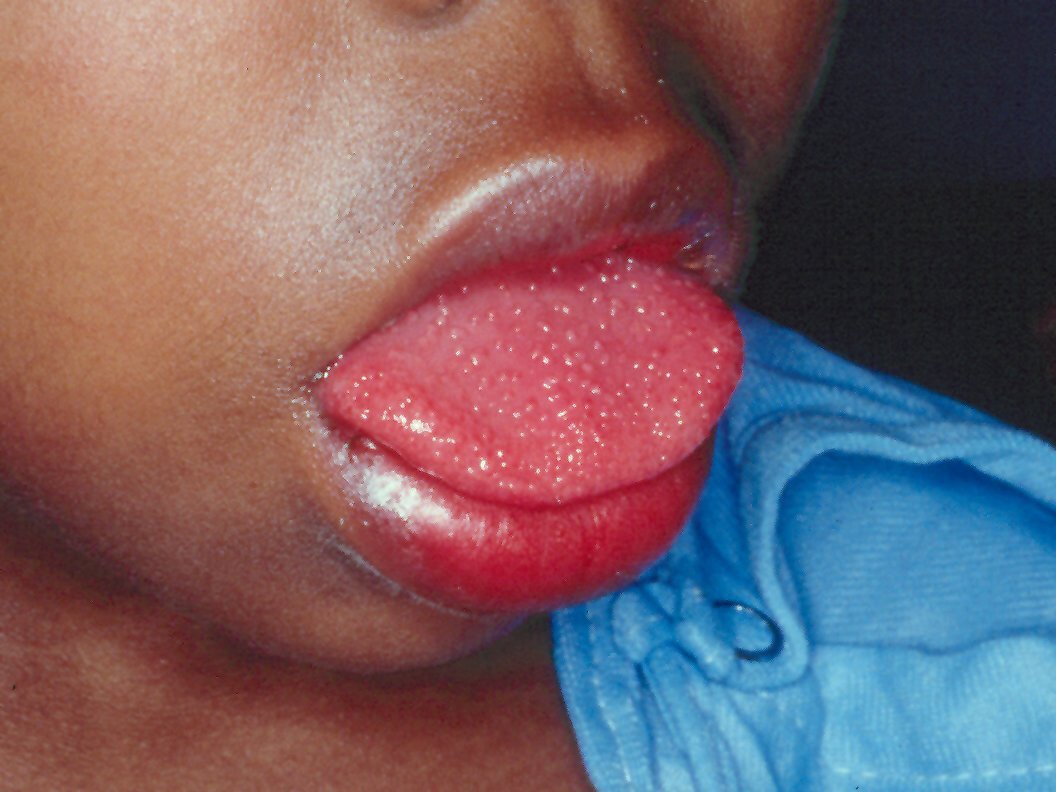
Changes in lips and oral cavity: Apart from the fever, redness of the throat, dry/swollen and fissured lips and more importantly the 'Strawberry tongue' is a characteristic feature of Kawasaki Disease if associated with other common features. Bleeding from such sites might also be noticed in these patients.

Red eyes: The conjunctivitis of both eyes without any purulent discharge occurs in most of the patients.
Rash: Non vesicular, red rash would appear in most of the instances and it may be generalized or limited to groin or lower extremities.

Peeling of skin: 1-2 weeks after the onset of the illness, it is possible to witness the peeling of skin and oedema with children refusing to bear weight.

Stiff neck: This might lead to pre-assumption and treatment for Meningitis. Although, it is found that aseptic meningitis is quite common among Kawasaki patients.

from the above symptoms, inflammation of the testis, urethra and joints might occur. It might also be associated with non specific symptoms like abdominal pain, vomiting and diarrhea. 

Although this article mainly deals with symptoms of the Kawasaki Disease, it would be incomplete if its dreaded complications are not mentioned. Out of which, Coronary artery aneurysm and clot formation is life threatening. The swelling of the main blood vessel of the heart and formation of a blood clot can lead to dysfunction of the cardiac musculature and its function and cause sudden myocardial infarction and death.

The appearance of these symptoms will occur in 4 distinguished stages.

Acute phase: The fever and rash with irritability will be more elaborate while oral cavity changes will get apparent. It usually last for 1-2 weeks.

Sub acute phase: Beginning of complications occur in this stage where fever usually subside but the aneurysm formation starts. It usually lasts for 4 weeks and persistent irritability, red eyes and other symptoms will be noticed.

Convalescent phase: Even though the symptoms subside and laboratory findings also resolve the main feature will be the persistence of the coronary artery aneurysm.

Chronic phase: This want be significant unless cardiac complications have occurred.

By looking at these symptoms, it is obvious that the diagnosis would not be easy or straightforward as some of the diseases. Although most patients will recover uneventfully, a vigilant eye will prevent disaster if Kawasaki Disease is not suspected in such patients.

What you should know in managing diabetes?

According to International Diabetes Federation, every 10 seconds a person dies of Diabetes related complications. It further adds that every 10 seconds, 2 persons are detected of having Diabetes worldwide and it had become the 4th leading cause of death in the world by a disease.

If you ever thought of neglecting your Diabetes and to live happily ever after, then think again!

But, is there any good news related to Diabetes for its victims? Yes. If you adopt a healthy diet and increase physical activity, 80% of Type II Diabetes can be prevented!

Therefore the important question would be, How to manage Diabetes? This article will give you few hints on exactly what you should and should not do in managing Diabetes. Some of the factors which determines how your diabetic control would be,

Taking responsibility:
The most important advice that can be given to a Diabetic patient is "to take care of yourself and take responsibility for yourself". The medicines, therapy, psycho treatment and whatever means would have little effect if the patient is not motivated in controlling his Diabetes. So, if you are a Diabetic, be good to yourself!

Healthy Diet:
The basic problem in diabetes is the Insulin being totally absent, partially absent or ineffective. This means that the body does not possess the capacity to control the sugar levels in the blood after taking a meal. High sugar levels continuously being present in the circulation will disrupt the bodily functions and will harm the tissues and hormonal function along with the metabolism. Of course, a Diabetic patient will not loose his appetite nor he will feel that any harm is being done. All these are long term complications unless you shift to a state of 'Diabetic Ketoacidosis' which can knock you down for good in quick time.

Therefore diabetic patients need to eat healthy food. Thus, they should,
1. Avoid predominantly Carbohydrate foods
2. Avoid High sugar containing diets like Cakes, ice cream and sweets
3. Consume more vegetables, green leaves and red rice
4. Take fruits in moderate amounts
5. Consume adequate milk
6. use diabetic food

would help them in managing their sugar levels to a minimum and maintain the right balance.

Exercises:
Exercise is a good way to control the sugar levels in the circulation and reduce bodily fat by burning it out as it would be a co-morbid factor in Diabetes.

Keeping the body lighter in weight and strong would make their chances of being healthy, very high. The
exercises would have to be workouts which make them sweat for at least 30 minutes for at least 3 days a week. Now that's not so bad after all, isn't it?

Medicine:
Yes, this plays a pivotal role in patients with diabetes with diet and exercise having minimal effects on blood sugar levels. Oral medications would be adequate for most type II Diabetic patients, if the medications are supplemented by the diet and adequate exercise.

But, for type I patients, insulin therapy would be the mainstay of treatment.

The patients need to stick to the dosage given by the physician, have a healthy diabetic meal after taking the drugs, oral or insulin and should not abruptly increase or decrease the dosages as they wish!

Another important factor to stress in diabetes management is that, similar to preventing the blood sugars to rise, it's also important not to let it fall dangerously low. If this happens the patients can go into a comma and mind you the rest!

Prevention of complications:

The complications of Diabetes are the worst part of the disease. It affects the patients as follows,
1. Diabetic Retinopathy, causing blindness,
2. Diabetic Nephropathy, causing kidney failure,
3. Angina and other ischaemic events related to heart
4. Diabetic Nuropathy, causing them not to feel even an ant bite.

What can the patients do to prevent these complications apart from what was mentioned before?

Blindness:
Routine checkups at the eye surgeon at least yearly would help in detecting these complications and avoid total blindness with treatment.

Kidney failure:
Follow the doctor's advice and do kidney function tests at intervals to detect if any deterioration is occurring. If the diabetic patients having good kidney functions they should drink plenty of fluids except alcohol!

Nerve problems and related complications:
Problem with not feeling even a scratch is it tends to neglect the wound and severe infections can set in. These need to be prevented, as in Diabetes the healing process of the wounds is not up to the mark. Therefore a patient with impaired sensation should daily check their feet for wounds, scratches and ulcers and treat them before getting infected. Always, always wear slippers which are comfortable to your feet. Healthy feet are a must for complicated Diabetes patients, unless they don't care about the presence of their feet!

Well, with all these management tips, one final note has to be made. The Diabetic patients need good family support to avoid and overcome these complications. So be supportive and wise in taking care of Diabetic patients

Overview of asthma attacks

Asthma is a chronic respiratory disease which causes the airways in the lungs to become narrow and inflamed due to various external factors or so called 'triggers'. The condition that precipitates due to these triggers is considered as an 'Asthmatic attack' or in medical terms an 'Acute Exacerbation of Bronchial Asthma'.

The occurrence of such attacks could vary from being mild to being life threatening which even might need Intensive Care treatment. Such patients would present in an emergency medical unit complaining of shortness of breath, cough, chest tightness and pain, and more evidently wheezing. In severe instances, the patients would not be able to complete a sentence or even will show signs of poor oxygen saturation in the blood causing a bluish discoloration of peripheries. In such cases time could be so precious in saving the patients life.

Causes for such attacks are varied. Seasonal variations are reported in some instances but more importantly following are associated.
  • Infections
  • Dust mite
  • Weather changes
  • Smoke, especially tobacco smoke
  • Allergens
  • Airway irritants such as chemicals, dust, hot or cold air
  • Certain foods.
When a patient suffers from an acute attack of asthma, all management modalities will expect to improve the airflow to the lungs. Meaning, more oxygen should go in. In mild scenarios with no underlying infection, the treatment would only be a puff of airway dilators and suppressor of the inflammatory reaction in the said airways. But if the symptoms are not responding or shows signs of sever oxygen starvation as was described earlier, patients should not be treated at home!

At the emergency unit the patients will be positioned to facilitate breathing and artificial oxygen would be provided. Following confirmation of the diagnosis nebulization will follow with either single or multiple bronchodilator or anti inflammatory drugs. The medics will try to identify the underlying cause and if an infection is suspected antibiotics will be started. Oxygen saturation of the patients can be measured at these units and any deterioration can be detected and alternative treatment will be planned.

It's always a good idea to prevent such severe attack rather than undergoing the gruesome experience of oxygen hunger! Best way would be to identify triggers that can precipitate and be careful in encountering these events. It's not to say avoid activities and confine your self to a sterilized container! But to take precautions and not to over indulge!

So, follow these steps in avoiding these triggers,

Smoking: Abstain from smoking and do not allow anyone to smoke in your surrounding or in the household.

Dust mite: Encase your pillow casings and wash the bed linen at least weekly. Dry the linen in sunlight. Similarly stuffed toys should be regularly washed and keep out of the bed.

Pets: Best to keep outside the house and ventilate such places where the asthma prone individuals and their pets interact.

Exercise: if the asthma is under control, do warm up exercises before exerting your self. Avoid exercising outdoors if the air pollution is considered threatening.

Infections and cold: eat a balanced, healthy diet, be active, avoid people with flue or cold and drinking plenty of fluids.

Weather : Cover the nose and mouth when abrupt changes in the weather are taking place.

It's not a comprehensive guide in preventing such an attack, but is an eye opener. Therefore be on the lookout, live normally, but be self conscious.

Thursday, October 21, 2010

Causes of painful urination in children

Painful urination or in medical terms 'dysuria' can present as pain, burning or as a stinging feeling. It's more common in girls than in boys, but the condition could be more towards a infection in the boys.

Since the children below two years of age are less likely to complain about a urine pain, the parents should be vigilant of a small child who cries or finds it difficult to pass urine.

In certain instances, the pain would make the child wet more times than usual which is known as 'frequency' and is also unable to hold on to the urine in a condition known as 'urgency'. These symptoms can associate with urinary pain or can be the presentation of painful urination in very small children.

Apart from the above mentioned symptoms, it is possible for the child to have fever, vomiting, reduced feeding, and blood with the urine or haematuria associated with the pain.

When considering the causes for painful urination in children, following are highlighted.

Vulvo-vaginitis:

In girls, it is thought to be the number one cause for painful urination and the condition is an inflammation of the vulva and the enclosing mucosa. The vulva and the mucosa will appear red and sometimes even itching. The condition is said to be precipitated by irritation, most often due to 'soap water'. Bubble baths have shown to be responsible for much of these events.

Proper washing with clean water have found to be useful in preventing the condition and baking soda soaks are useful in the removing of irritant and relieving the pain.

Urinary tract infections:

Infection in the urethra, bladder or the kidneys can present as painful urination. Although in small children the infection might only be associated with fever or poor feeding. This could be one of the commonest causes for painful urination in boys and should be investigated and treated promptly due to the damage it can cause to the kidneys.

Trauma:

Any kind of trauma either self inflicted or following child abuse can lead to painful urination and should be investigated thoroughly.

Labial adhesions:

It is possible that the two labia can stick following an inflammatory reaction or from birth. If so, it should be gently moved apart and certain instances it may be necessary to apply a steroidal cream for number of days.

Foreign bodies:

It is possible that a foreign body, e.g. piece of toilet paper, can remain in the vulva and lead to irritation followed by a inflammatory reaction.

Apart from these, when there is no obvious cause to be found, parents should be vigilant about any associated events. Child abuse and worm infections are possibilities in children who complain of this condition.

Liver disease: Changes in liver enzymes

In certain disease entities, the liver will be a target organ which will get damaged or will derange its functions in response to the incoming insults. The damaging liver can be the result of either acute insult or more of a chronic insult. Thus, the surest way to identify such damages to the liver is by performing laboratory investigations to assess the changes in biochemical activities related to the liver, more specifically the changes in the liver enzymes.

There are several enzymes which can be detected in the peripheral blood which is either specific or non specific to the liver. ALT, AST, GGT, Alkaline phosphatase and Lactate dehydrogenase are some of the enzymes that can be detected by doing a simple blood analysis.

In liver disease, these enzymes will be detected at a higher level than usual and at certain instances; the ratio between some of the enzymes will also be a useful indicator. The higher values that are seen in disease conditions would be the result of cell damage within the liver which will release the enzymes contained within the damaged cells.

We will now discuss some of the enzymes and how it changes in disease states.

ALT
Alanine Transaminase is a liver enzyme present in the hepatocytes or in the liver cells. In acute incidence such as hepatitis and liver damage due to paracetamol poisoning, the ALT levels will rise dramatically and thus indicates relative liver damage.

AST
Also known as Aspartate Transaminase, the enzyme is also present in the liver cells but will also be present in red blood cells, skeletal muscle tissues as well as in cardiac muscles. Thus, isolated elevation of AST do not indicate a liver damage per se but in instances where after elevation the ratio between AST/ALT go beyond 2.0, it indicates towards alcoholic hepatitis whereas if it goes below 1.0, it points towards viral hepatitis.

GGT
Gamma glutamyl transpeptidase is an enzyme that will be elevated in most cases of alcoholic insults. The enzyme is specific to the liver cells and it's a sensitive marker for even minor liver insults.

Alkaline phosphatase
The enzyme is not specific to the liver but will be present in the bones as well as in the placenta. In the liver, the alkaline phoshatase will be present in the lining cells of the biliary tract and would indicate conditions which lead to cholestasis. Thus, biliary duct obstructions, infiltrative diseases could give rise to high levels of ALP in the circulation.

LDH
Although found in many other tissues in the body, Lactate dehydrogenase will also be elevated in liver damage as well. Thus, in combination with other makers, it will be useful in making certain diagnosis.

Epididymitis: Causes, symptoms, and treatments

What is Epididymis?
Epididymis is a coiled structure of tubules which facilitates the storage and transport of the sperms produced by the testis. Thus, it is located in close approximation to the back of the testis and is linked with the testis with many tubules. Being a very vascular structure as well as having outlets that extend up to the urethra, it is susceptible in acquiring infections or chemicals that could lead to an inflammatory response.

What is Epididymitis and what can cause the disease?
Epididymitis is an inflammatory process occurring in the Epididymis. There are many causes for Epididymitis and following are some of the most common.

1. Ascending infections

Due to its linkages with the urinary tract, it is possible for organisms to ascend into the Epididymis. In children and in the elderly the causative organism is more likely to be E.coli. It has been identified that in sexually active males, the most common organisms are related to sexually transmitted infections. Gonorrhea and Chlamydia are few of these organisms.

Apart from the above, an inflammatory reaction following an infection, especially in children, can cause an episode of Epididymitis. These post infection inflammatory reactions can be after either a bacterial or even a viral infection.

In rare instances blood born infections as well as fungi can cause an Epididymitis.

2. Chemical Epididymitis

This condition can occur following abnormal channelling of urine into the epididymis due to back pressure. People who are lifting heavy weights and who strain a lot are more susceptible in acquiring such illness.

3. Tuberculosis

TB can manifest as an Epididymitis and would warrant close investigations if the condition does not resolve and is long lasting.

4. Drugs

It is found out that some drugs can precipitate an inflammatory reaction in the Epididymis.

What are the symptoms of an Epididymitis?

Persons who are suffering from this condition will complain of varied symptoms and some of the most common ones are listed below.

1. Pain and tenderness
Pain will be more on palpating the back of the testis and it can be extremely tender in the acute inflammatory conditions.

2. Fever
The inflammatory reaction can give rise to a fever with chills and it can be worse if an underlying complication such as a scrotal abscess has been formed.

3. Oedema
The Epididymis will be oedematous and will be easily felt on palpation.

4. Redness and warmth on the scrotal skin
Apart from the above symptoms patients may also complain of nausea, abdominal pain and urethral discharge.

What treatment options are available for patients with Epididymitis?

Epididymitis has to be treated as soon as possible. The purpose is to avoid any complications secondary to the inflammatory process. With the initial diagnosis, following treatment can be initiated,

1. Ice packs to relieve scrotal pain
2. Scrotal support and elevation
3. Antibiotics treatment
4. Anti-inflammatory drug treatment
5. Bed rest
6. Surgical drainage of the abscess if present

In case of a sexually transmitted infection, the treatment should also cover treating the partner as well.

Painful itching and irritation around the anus : Possible causes

Painful itching and irritation around the anus would be a very uncomfortable and sometimes socially embarrassing problem for the ons who are affected. This can greatly affect a persons social engagements as well as the effective functioning as it would be impossible to concentrate on what is at hand with the mind being dragged away to the problem region. Thus, identifying the underlying cause for painful itching and irritation would be the primary objective in the treatment process and the below text would indicate to the readers as to what to expect when someone or yourself experience this nagging problem.

The ‘bottom’ line:

When digging deep, the bottom line with regard to the painful itching around the anus would be an irritation. Such irritations can take place due to various substances. At the same time, in such irritations, it is possible for a person to feel a burning-like feeling in the anal region along with reddened skin surrounding the anus. The area can become painful to being wet and it may be discomforting when clothing or any kind of pressure gets applied to this area.

Revealing the culprits:

Among the top causative elements in causing pain and irritation around the anus, stools itself should be taken into consideration but in its normal form such irritations are highly unlikely. But, when a person develops a frequent diarrhea and incontinence of stools in which small quantities of stools leak out from the anus and therefore remains over the surrounding skin would be an irritable occurrence due to various chemicals present. In certain instances, when we take certain foods, some of the undigested material or byproducts produced would also be irritable to the skin and would therefore lead to irritation around the anus and pain.

Furthermore, when moisture becomes trapped in the surrounding region of the anus, as in the case of frequent diarrhea, incontinence…etc, there is a possibility of infections taking place and yeast infections can be highlighted among the possible infections. A similar infective condition can also take place when a person consumed certain antibiotics for a prolonged time or else if they are immune-deficient. When talking about trapping of moisture, formation of fistulas would also be important as it can bring irritable fecal matter to the surface through a passage other than the anal opening.

Skin conditions such as psoriasis can also lead to irritation in the anal region so as the presence of pin worm infestations. In certain people with hemorrhoids, pain and irritation around the anus would be a problem similar to patients with anal fissures.

Although these are the main causes recognized for the occurrence of pain and itching around the anus, there are many other causes which can give rise to similar symptoms among the general population.

Diabetes in pregnancy and the unborn child

Gestational diabetes is one form of diabetes that is found in pregnant women who did not have it before the pregnancy. In most instances, such diabetic mothers would deliver a child without complications to the baby as well as to the mother. But, in some pregnant mothers, especially if the blood sugars are not controlled properly, there is a likelihood of developing complications both in the child and in the mother.

Let us take a look at some of the complications that may develop in the unborn baby due to such gestational diabetes.

-Excessive fetal growth
In other words, the conditions known as ‘macrosomia’ can occur in unborn babies in mothers with diabetes and is characterized by ‘over size’ of the fetus in contrast to the expected growth for a particular gestational age or pregnancy age. Such excessive growth seems to take place in response to the high amounts of insulin which is secreted by the childs pancreas in response to the blood sugars that crosses the placenta from the mother to the fetus. When the unborn baby becomes macrosomic, there are several complications that may occur and among them, difficult delivery, probable requirement of a cesarean section, obstructed labor…etc can be taken in as some of the highlights.

-Respiratory distress syndrome
In babies born to mothers with gestational diabetes, it is possible to have a higher risk of a condition known as ‘respiratory distress syndrome’ and the immature lungs would most likely to cause this problem in such mothers. Therefore, these babies should be monitored closely following delivery and this should be more emphasized in case the baby was born prematurely.

-Hypoglycemia
When a ‘large’ child is born to a mother with gestational diabetes, invariably the childs pancreas will still be functioning at a rate and this can make the child develop ‘hypoglycemia’ or ‘low blood sugar’ as a result of higher levels of secreted insulin and lowered levels of blood sugar which till now was maintained by the sugars coming from the mothers blood. Thus, ‘large’ babies should be monitored for falling blood sugar during the first 24 hours and early feeding can minimize the occurrence of this condition in most instances.

-Increased risk of motor and cognitive functional deficiency
It has also been found that, babies born to mothers with gestational diabetes can have a problem in their development in achieving milestones including motor and cognitive milestones, be hyperactive and might have poor attention span….etc.

Apart from this, unborn babies can also suffer indirectly though the complications which can develop in the mother as a response to excessive blood sugar levels during pregnancy.

Tuesday, October 19, 2010

Causes of eye twitching

Many of us would experience the twitching of the eye lids at least once in our lifetime. It would be a difficult task to predict when and where the twitching will take place, but, in most instances, these twitching will be benign and would disappear spontaneously after few minutes. But, unless the underlying cause is corrected, there might be instances where the twitching will continue and would make the person really annoyed.

In many instances of eye lid twitching, the affected part would be the lower lid and in some instances, the upper lid can also get affected. Usually, the condition affects only one eye and other associated symptoms would be rare.

When considering the underlying causes for eye lid twitching, it can range from life style changes and mental state to the nutritional elements. Thus, let us discuss some of these causes which are commonly associated with eye lid twitching. (Read more)

Causes of painful ejaculation

Painful ejaculation is not an uncommon symptom among the sexually active men. A person who complaints of painful ejaculation might have other associated symptoms as well. These could vary from physical symptoms to problems in sexual relationships as well as social interactions.

When considering other symptoms, urethral discharges, difficulty in passing urine, blood in the urine, lower abdominal pain, fever, difficulties in reaching a complete erection…etc would be relatively common. Thus, there could be many reasons that might lead to a painful ejaculation along with other related symptoms.

Let us discuss some of the causes that can lead to painful ejaculation. (Read more)

Thursday, October 14, 2010

Elderly medicine: Giving care to a bedridden patient

Being bedridden is one instance where people feel helpless as well as at times hopeless. Thus, presenting these patients with tender loving care would go a long way in easing their suffering both physically as well as mentally. When considering the bedridden patients, in most instances, these patients would be in the elderly age group and many causes such as 'strokes' or in other words 'paralyses', accidents, nerve degeneration...etc could lead to such bedridden state.

When an elderly patient becomes bedridden, it can be compared to being in a 'new borne' state. Some of the similarities between the two would be the helplessness, need to be cared for and to receive love and affection. Thus, the caregivers need to think of their actions for a second time before embarking on it, as a false move can be detrimental to the patient as they are in a delicate state. (Read more)

Causes of swollen and enlarged uterus

Uterine enlargement is something many women will encounter at some point in time in the form of a pregnancy. But, apart from a pregnant state, there are other causes that can mimic an early stage of a pregnancy with a different set of symptoms. In most instances, women in the latter child bearing age, as well as the elderly women, are the ones which are most susceptible in developing such conditions and are in need of further investigations to exclude more dangerous conditions.

When talking about causes which give rise to an enlarged uterus, you should be mindful to exclude causes such as pregnancy, distended bladder or else a high lying uterus that can mimic an enlarged uterus. After exclusion, following would be the probable diagnosis for such enlargement in most number of cases.
Let us discuss these causes, one by one. (Read more)